Success
Texas Wind Farm Becomes a Renewable Energy Model
How Texas turned West Wind into a pillar of electricity and a model for renewable energy infrastructure.
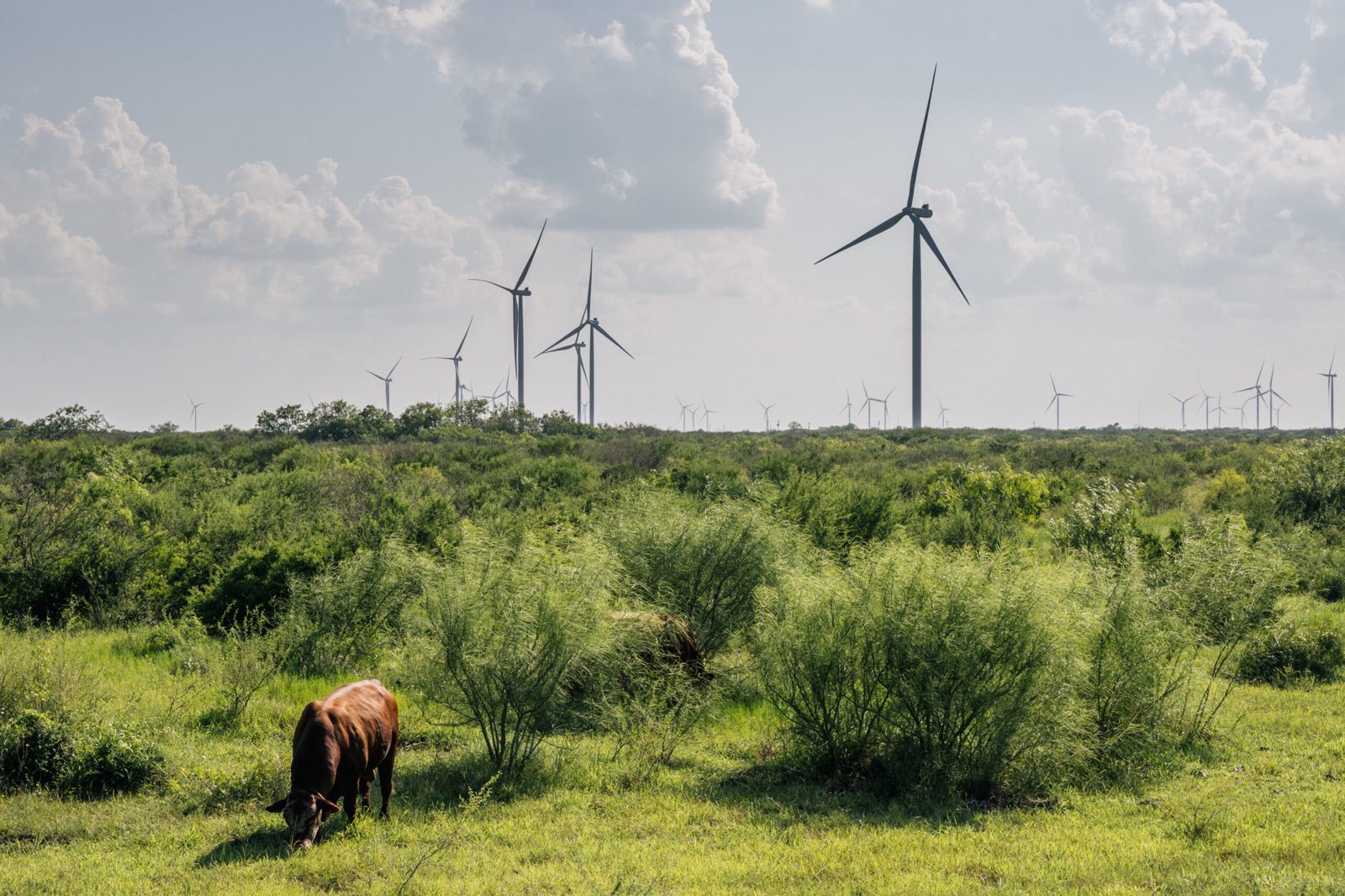
Amid the dry cotton fields of Roscoe, thousands of turbines spin over land still used by farmers for cultivation. This is not a European landscape, but Texas—a state synonymous with oil and gas. Yet in West Texas, wind has become a pillar of electricity, and this transformation offers lessons about how infrastructure can be built amid climate challenges.
Wind at Home with Farmers
The Roscoe Wind Farm was completed in October 2009 and at the time was the world's largest wind complex. The facility consists of 627 turbines, each about 400 feet tall, spread across 100,000 acres of dry land in West Texas. Cotton farmers here still work the soil beneath the turbines. The project cost more than $1 billion and involved negotiations with 300 landowners. Built by German energy company E.ON Climate and Renewables, the turbines come from various manufacturers including Mitsubishi, General Electric, and Siemens. Output capacity reaches 781.5 megawatts, and according to records, its CO2 emissions are 1.4 million tons lower per year compared to fossil fuels—equivalent to the emissions of 250,000 cars. Edwin Duncan, a 77-year-old resident of the area, said the project brought money for schools, jobs, and benefits to the broader economy. Landowners receive a percentage of profits from each turbine standing on their land. Before that, King Mountain Wind Ranch was built in 2001 south of Odessa and was the world's largest wind project at the time, with 214 turbines and 278 megawatts of capacity. The company that built it, RES Americas, later developed 15 wind farms in Texas with a combined capacity of around 2,200 megawatts—enough to power approximately 600,000 homes under average wind conditions. [2][3]
The 3,600-Mile Network That Changed the Game
Texas's success didn't come just from the wind itself, but from a major infrastructure decision. In 2005, Governor Rick Perry and the state legislature approved the Competitive Renewable Energy Zone (CREZ) initiative, a $7 billion transmission network spanning 3,600 miles. This network enabled electricity from wind farms in West Texas and the Panhandle to be moved to major markets, including population centers along the Interstate-35 corridor such as Dallas/Fort Worth and San Antonio. The state's Public Utility Commission approved the transmission lines one year before the global financial crisis hit in 2007 and 2008. Additionally, Texas runs its own integrated grid, ERCOT, which is separate from the rest of the state and open to any electricity producer to connect. In 2014, wind accounted for 10.6 percent of Texas's electricity, up from 6 percent in 2009, according to the U.S. Energy Information Administration. Wind generation under ERCOT, which manages the grid for 24 million Texas residents, nearly doubled from 2009 to 2014. Texas has more than 12 gigawatts of installed wind capacity—equivalent to six Hoover Dams—and that figure could jump to 20 gigawatts with transmission system improvements, according to Ross Baldick, a professor of engineering at the University of Texas at Austin. This policy, according to experts, enabled faster scaling. [3][2]
Benefits for Farmers, Taxes for Schools
Behind the big numbers, there are economic benefits felt at the local level. Texas is targeting more than 15,300 turbines—the most of any state—with 239 wind-related projects. In 2022, Texas wind output reached 40,556 megawatts, more than 26 percent of all wind-generated electricity in the United States. In 2023, wind accounted for 28.6 percent of Texas's electricity generation, second only to natural gas (41.8 percent), and has surpassed nuclear power since 2014 and coal since 2020. Texas wind regularly supplies more than 25–30 percent of the state's electricity, and sometimes spikes even higher during peak demand. [1] The sector provided 26,135 jobs in 2022 with an average annual wage of $109,826, and contributed $1.7 billion to GDP in 2021. Since 2000, cumulative investment in Texas wind farms has exceeded $60 billion. The Roscoe complex alone has paid more than $92 million in local taxes since 2008. Counties and school districts supported this movement after learning that property tax revenue increases with turbines on farms and ranches. [4][5][3]
Grid Limits and Remaining Challenges
However, this success is not without limits. The ERCOT grid is largely isolated from neighboring grids, making it difficult to import or export electricity during emergencies. Winter Storm Uri in 2021 caused widespread power outages affecting millions of residents and exposed vulnerabilities in generation capacity and grid resilience. With wind penetration reaching 25.8 percent, Texas is approaching the grid's limits on integrating additional wind capacity without major upgrades or storage solutions. Transmission constraints have led to curtailment, or cutting off wind production. Additionally, the completion of the CREZ initiative and regulatory constraints have made it difficult to build the new transmission lines needed to integrate additional capacity. Along the Gulf of Mexico coast, developers also face concerns about deaths of migratory birds that could be caused by turbines. [5][3]
A Model for Other Parts of the World
Texas now leads the United States in wind energy production. The state is the largest wind energy producer in the U.S., and the U.S. itself is the world's second-largest wind energy producer. Texas's installed capacity reached more than 37,400 megawatts in 2023, about 26 percent of the state's total generation capacity, and Texas contributes about 28 percent of all wind energy in the United States. This success has attracted attention from other states and Canadian provinces. During a visit to Alberta, Michael Osborne, founder of the Texas Renewable Energy Industries Alliance, told his audience that innovative policy, bipartisan support, and committed entrepreneurship can create a strong wind energy sector. Nathanael Greene of the Natural Resources Defense Council said that if a conservative state can make it work, then it can be done elsewhere if all parts come together. [3][5][2]
Gallery
Sources and further reading
- The vast plains of West Texas have become a powerhouse ... Mendukung klaim bahwa angin Texas secara teratur menyuplai 25–30 persen listrik negara bagian.
- Wind Power’s Explosive Growth Is Blowing Past Green Energy Goals Sumber detail Roscoe Wind Farm, biaya, produsen turbin, pengurangan emisi, dan konteks AS serta Inflation Reduction Act.
- How Conservative Texas Took The Lead in U.S. Wind Power Sumber sejarah CREZ, jaringan transmisi, statistik 2009–2014, dan persamaan dengan Alberta.
- Wind Power: Energy is Good for Texas Data resmi Comptroller Texas tentang kapasitas, pekerjaan, pajak, dan perbandingan dengan nuklir serta batu bara.
- Texas Wind Energy - Large.stanford.edu. Analisis kapasitas terpasang, tantangan jaringan ERCOT, Winter Storm Uri, dan batas integrasi angin.
This story was drafted with AI assistance and edited against googs’s editorial guidelines. Primary sources are linked below.